/ Sep 15, 2026
Trending

|
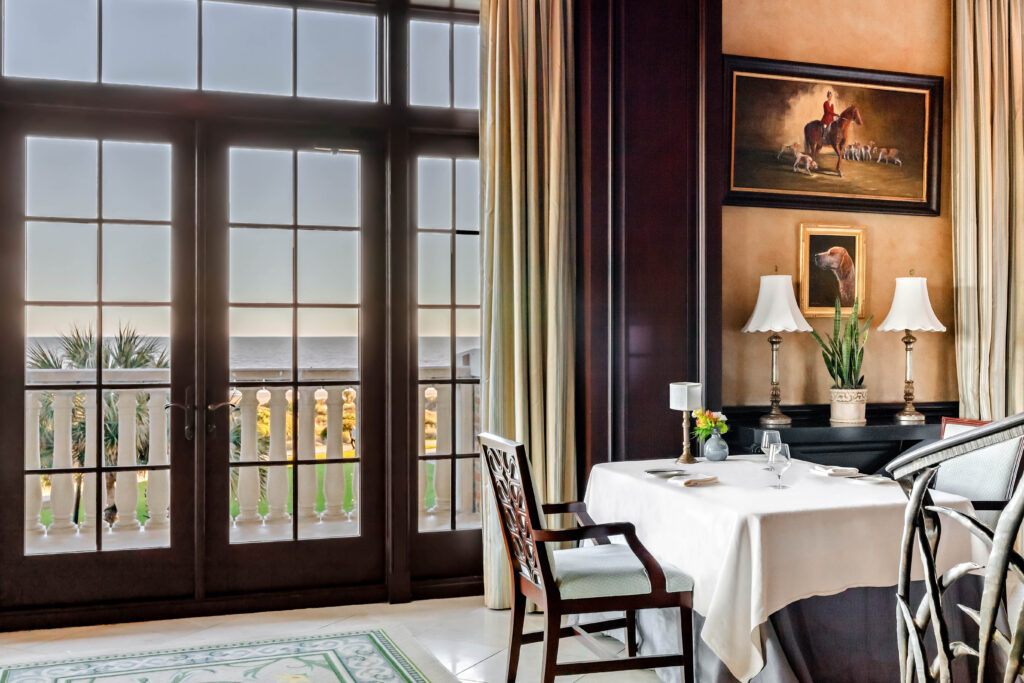
Step into the cellar with Sommelier Bret Reynolds of Kiawah’s flagship restaurant as he shares the vision and dedication behind The Ocean Room’s wine program—recognized with the 2025 Wine Spectator Best of Award of Excellence—and discover what makes our cellar truly exceptional.
Wine Spectator’s Restaurant Awards highlight restaurants with wine lists that offer diverse, thoughtfully selected bottles, perfectly complementing their cuisine and appealing to a wide range of wine enthusiasts. The Best of Award of Excellence is given to restaurants that go above and beyond—boasting 350+ selections with impressive depth across top producers and regions, as well as outstanding cellar management and knowledgeable service.
This award celebrates the exceptional wine program curated by Reynolds and the entire Ocean Room team, whose passion and dedication elevate each dining experience.

What sets The Ocean Room’s wine list apart?
“Our list is built around discovery,” Reynolds explains. “We love showcasing wines that aren’t easy to find—bottles from Lebanon, Israel, Slovenia, Tasmania, and Armenia. It’s about surprising our guests while educating and entertaining them. Of course, we still honor the classics, but we lean into producers that bring a sense of adventure and exploration.”
Is there one bottle you’re especially proud to feature?
“Château Musar, hands down. It’s a Lebanese wine aged six to seven years before release, crafted in the Bekaa Valley—an area with winemaking roots dating back to 5000 BC. It pairs beautifully with game like duck, rabbit, and lamb.”
Which wine regions are you personally most excited about right now?
“Willamette Valley in Oregon. They are known for Pinot Noir, but I would put their Chardonnays up against the best from California and Burgundy.”
What’s your favorite food and wine pairing?
“The pairing that first clicked for me was Rioja with Applewood Smoked Lamb—it was a home-cooked moment that made me realize how transformative wine can be. But my all-time favorite? A 2005 Château Suduiraut (a sweet Bordeaux white) with Roasted Pineapple Rice Pudding. I had tried five other dessert wines that evening and almost skipped it, but I’m glad I didn’t—it was the most perfect pairing I’ve ever experienced.”
What pairings do you recommend to guests dining at The Ocean Room?
“For red meats, especially our dry-aged steaks, I lean into wines with structure and depth—Château Musar or an old-world Sangiovese bring a beautiful balance of cherry and earth that amplifies the meat’s richness.
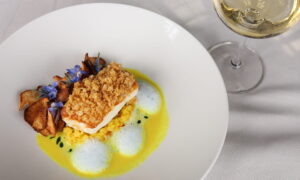
For seafood, our Olive Oil Poached Halibut pairs two ways: a Pinot Noir complements the earthy Artichoke Risotto, while a Grüner Veltliner plays off the crisp texture of the Chicken Skin garnish. The dish is a guest favorite.”
What’s the most unexpected pairing you love?
“A high quality sweet Riesling with crumbles of blue cheese. Everyone is bewildered at the combination, but anyone who tries it loves it!”
What does the Wine Spectator Award mean to you and the team?
“It’s incredibly meaningful. The list has evolved through the hands of passionate, thoughtful people before me, and I’ve had the privilege to build on their legacy. It still feels like a shared vision—one that keeps growing rather than being redefined. This award is a reflection of that continuity and dedication.”
Can you share a fun wine fact most people wouldn’t know?
“Germany is the third-largest producer of Pinot Noir in the world, but in the U.S., we rarely see it because sweet Rieslings dominate our imports. Ironically, most Rieslings are actually made dry—it’s just that the American market leans sweet.
Also, Pinot Grigio has pinkish-gray skin, so it lends itself to a style, achieved through skin contact, called Ramato, which means ‘copper’ in Italian. It’s not quite a rosé, but it is slightly blush and wonderfully complex. We actually only carry one traditional white Pinot Grigio—our focus is on Ramato styles because they’re just that much more interesting and refreshing.”
What’s unique about The Ocean Room’s by-the-glass program?
“We change our wine list often, so I highly recommend trying wine by-the-glass as a means to experiment. What makes our program unique is that you’ll find familiar grapes—but from unexpected regions. For example, our Sauvignon Blanc comes from Germany, not France or New Zealand. We pour Chardonnay from Oregon’s Willamette Valley, Sangiovese from Mexico, and Pinot Grigio from Austria. It’s a great way to get your foot in the door and experience something new.”

What is the oldest wine in your cellar?
“We have a still wine dating back to 1969, but a standout that we recently received is a Port from 1888. It aged in chestnut barrels for 120 years, passed down through generations. Only 933 bottles exist, and when I tasted it, I was floored. It’s one of those rare wines that tastes as extraordinary as its story.”
What sparked your passion for wine?
“I started in back-of-house roles, with a strong food background. When I began exploring wine, it was mostly surface-level—until I picked up The Wine Bible by Karen MacNeil. It was dense for a beginner, but it completely captivated me. Wine connects geology, geography, history, language, and culture – and I think that is a very special and beautiful thing.”
|
Step into the cellar with Sommelier Bret Reynolds of Kiawah’s flagship restaurant as he shares the vision and dedication behind The Ocean Room’s wine program—recognized with the 2025 Wine Spectator Best of Award of Excellence—and discover what makes our cellar truly exceptional.
Wine Spectator’s Restaurant Awards highlight restaurants with wine lists that offer diverse, thoughtfully selected bottles, perfectly complementing their cuisine and appealing to a wide range of wine enthusiasts. The Best of Award of Excellence is given to restaurants that go above and beyond—boasting 350+ selections with impressive depth across top producers and regions, as well as outstanding cellar management and knowledgeable service.
This award celebrates the exceptional wine program curated by Reynolds and the entire Ocean Room team, whose passion and dedication elevate each dining experience.
What sets The Ocean Room’s wine list apart?
“Our list is built around discovery,” Reynolds explains. “We love showcasing wines that aren’t easy to find—bottles from Lebanon, Israel, Slovenia, Tasmania, and Armenia. It’s about surprising our guests while educating and entertaining them. Of course, we still honor the classics, but we lean into producers that bring a sense of adventure and exploration.”
Is there one bottle you’re especially proud to feature?
“Château Musar, hands down. It’s a Lebanese wine aged six to seven years before release, crafted in the Bekaa Valley—an area with winemaking roots dating back to 5000 BC. It pairs beautifully with game like duck, rabbit, and lamb.”
Which wine regions are you personally most excited about right now?
“Willamette Valley in Oregon. They are known for Pinot Noir, but I would put their Chardonnays up against the best from California and Burgundy.”
What’s your favorite food and wine pairing?
“The pairing that first clicked for me was Rioja with Applewood Smoked Lamb—it was a home-cooked moment that made me realize how transformative wine can be. But my all-time favorite? A 2005 Château Suduiraut (a sweet Bordeaux white) with Roasted Pineapple Rice Pudding. I had tried five other dessert wines that evening and almost skipped it, but I’m glad I didn’t—it was the most perfect pairing I’ve ever experienced.”
What pairings do you recommend to guests dining at The Ocean Room?
“For red meats, especially our dry-aged steaks, I lean into wines with structure and depth—Château Musar or an old-world Sangiovese bring a beautiful balance of cherry and earth that amplifies the meat’s richness.
For seafood, our Olive Oil Poached Halibut pairs two ways: a Pinot Noir complements the earthy Artichoke Risotto, while a Grüner Veltliner plays off the crisp texture of the Chicken Skin garnish. The dish is a guest favorite.”
What’s the most unexpected pairing you love?
“A high quality sweet Riesling with crumbles of blue cheese. Everyone is bewildered at the combination, but anyone who tries it loves it!”
What does the Wine Spectator Award mean to you and the team?
“It’s incredibly meaningful. The list has evolved through the hands of passionate, thoughtful people before me, and I’ve had the privilege to build on their legacy. It still feels like a shared vision—one that keeps growing rather than being redefined. This award is a reflection of that continuity and dedication.”
Can you share a fun wine fact most people wouldn’t know?
“Germany is the third-largest producer of Pinot Noir in the world, but in the U.S., we rarely see it because sweet Rieslings dominate our imports. Ironically, most Rieslings are actually made dry—it’s just that the American market leans sweet.
Also, Pinot Grigio has pinkish-gray skin, so it lends itself to a style, achieved through skin contact, called Ramato, which means ‘copper’ in Italian. It’s not quite a rosé, but it is slightly blush and wonderfully complex. We actually only carry one traditional white Pinot Grigio—our focus is on Ramato styles because they’re just that much more interesting and refreshing.”
What’s unique about The Ocean Room’s by-the-glass program?
“We change our wine list often, so I highly recommend trying wine by-the-glass as a means to experiment. What makes our program unique is that you’ll find familiar grapes—but from unexpected regions. For example, our Sauvignon Blanc comes from Germany, not France or New Zealand. We pour Chardonnay from Oregon’s Willamette Valley, Sangiovese from Mexico, and Pinot Grigio from Austria. It’s a great way to get your foot in the door and experience something new.”
What is the oldest wine in your cellar?
“We have a still wine dating back to 1969, but a standout that we recently received is a Port from 1888. It aged in chestnut barrels for 120 years, passed down through generations. Only 933 bottles exist, and when I tasted it, I was floored. It’s one of those rare wines that tastes as extraordinary as its story.”
What sparked your passion for wine?
“I started in back-of-house roles, with a strong food background. When I began exploring wine, it was mostly surface-level—until I picked up The Wine Bible by Karen MacNeil. It was dense for a beginner, but it completely captivated me. Wine connects geology, geography, history, language, and culture – and I think that is a very special and beautiful thing.”