/ Sep 14, 2026
Trending
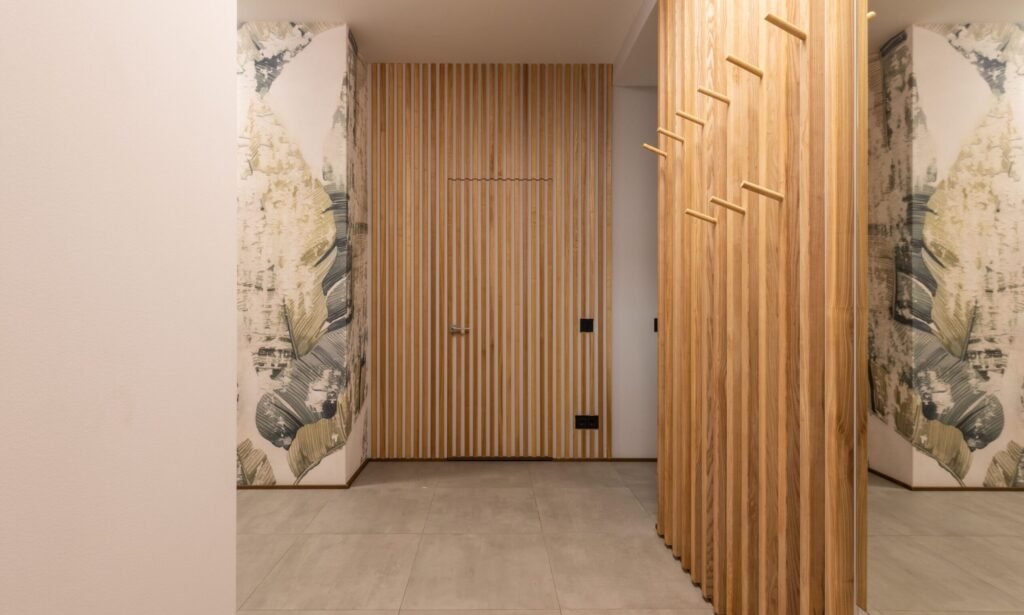
Walls can become defining elements of an interior, combining materials, textures and finishes to create depth, visual continuity and distinctive atmospheres across residential, hospitality, retail and office spaces. Walls are no longer regarded as simple dividing surfaces between rooms, but as design elements capable of defining the identity of a space. The evolution of interior design has led architects and designers to pay increasing attention to vertical surfaces, transforming them into expressive tools for characterising homes, offices, hotels and commercial premises. Materials, textures and finishes make it possible to create aesthetically coherent interiors, while also enhancing the sense of scale and contributing to visual comfort.
Wall design is now one of the most important aspects in defining the style of a space. The choice of materials, finishes and textures allows an interior to be brought to life, creating an aesthetic language coherent with the furnishings and the intended use of each area. Vertical surfaces can alter the perceived dimensions of a room, emphasise natural light, or create striking plays of light and shadow through the three-dimensionality of the cladding. Textured materials and stone, concrete, wood or decorative-effect finishes can lend character even to the simplest settings, making every room unique.
Attention to detail also makes it possible to create focal points, showcase architectural features and guide visitors along a carefully considered visual journey. One way to enhance vertical surfaces is through 3D textured wall tiles such as those produced by Atlas Concorde, designed to bring relief and movement to any interior. These coverings add depth to a space through three-dimensional effects that shift according to lighting and viewing angle. The result is a more dynamic environment, one that combines aesthetic ambition, functionality and close attention to design detail.
The choice of cladding is a decisive phase in interior design. Each material offers distinct aesthetic and functional characteristics, which must be assessed against the style of the room, practical requirements and performance needs.
Ceramic coverings are among the most versatile solutions, thanks to the wide range of formats, colours and finishes available. Marble, stone, concrete or wood-effect surfaces make it possible to explore different design languages, from contemporary minimalism to more traditional interiors.
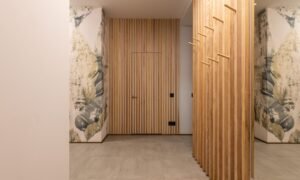
Alongside ceramics, textured surfaces draw on three-dimensional reliefs and finishes to add visual depth to walls. Wood panelling and decorative coverings likewise help create elegant, welcoming interiors, at times also improving acoustic comfort.
Wallpaper, meanwhile, offers an ideal way to introduce graphic elements, textures or decorative patterns that can define a room without any structural work. Alongside this, decorative paints, resins and trowelled finishes are used to achieve continuous surfaces with strong visual impact.
The aim throughout is to create continuity between walls, floors, furnishings and lighting, building a harmonious whole in which every element works together to shape the overall atmosphere.
Enhancing vertical surfaces plays a strategic role across numerous design contexts. In hospitality, hotels, resorts and other accommodation providers use coverings and textures to build a recognisable identity, improving the guest experience through welcoming, distinctive interiors. In retail, walls become tools of visual communication, showcasing products, guiding customers’ paths and reinforcing brand image. Materials, colours and finishes are chosen to create settings in keeping with the commercial concept, fostering an engaging shopping experience.
In contemporary offices, too, vertical surfaces play an important role, helping to define working areas, meeting rooms and communal zones. Technical coverings, sound-absorbing panels and decorative finishes help improve both comfort and corporate identity.
In high-end residences, finally, wall design allows every room to be personalised through refined materials and quality craftsmanship. Beyond aesthetics, qualities such as wear resistance, ease of cleaning, durability and low maintenance take on particular importance.
Choosing reliable, high-performance materials helps preserve the quality of the design over time, striking a balance between elegance, functionality and performance — a balance that makes vertical surfaces one of the most significant elements of contemporary interior design.
Walls can become defining elements of an interior, combining materials, textures and finishes to create depth, visual continuity and distinctive atmospheres across residential, hospitality, retail and office spaces. Walls are no longer regarded as simple dividing surfaces between rooms, but as design elements capable of defining the identity of a space. The evolution of interior design has led architects and designers to pay increasing attention to vertical surfaces, transforming them into expressive tools for characterising homes, offices, hotels and commercial premises. Materials, textures and finishes make it possible to create aesthetically coherent interiors, while also enhancing the sense of scale and contributing to visual comfort.
Wall design is now one of the most important aspects in defining the style of a space. The choice of materials, finishes and textures allows an interior to be brought to life, creating an aesthetic language coherent with the furnishings and the intended use of each area. Vertical surfaces can alter the perceived dimensions of a room, emphasise natural light, or create striking plays of light and shadow through the three-dimensionality of the cladding. Textured materials and stone, concrete, wood or decorative-effect finishes can lend character even to the simplest settings, making every room unique.
Attention to detail also makes it possible to create focal points, showcase architectural features and guide visitors along a carefully considered visual journey. One way to enhance vertical surfaces is through 3D textured wall tiles such as those produced by Atlas Concorde, designed to bring relief and movement to any interior. These coverings add depth to a space through three-dimensional effects that shift according to lighting and viewing angle. The result is a more dynamic environment, one that combines aesthetic ambition, functionality and close attention to design detail.
The choice of cladding is a decisive phase in interior design. Each material offers distinct aesthetic and functional characteristics, which must be assessed against the style of the room, practical requirements and performance needs.
Ceramic coverings are among the most versatile solutions, thanks to the wide range of formats, colours and finishes available. Marble, stone, concrete or wood-effect surfaces make it possible to explore different design languages, from contemporary minimalism to more traditional interiors.
Alongside ceramics, textured surfaces draw on three-dimensional reliefs and finishes to add visual depth to walls. Wood panelling and decorative coverings likewise help create elegant, welcoming interiors, at times also improving acoustic comfort.
Wallpaper, meanwhile, offers an ideal way to introduce graphic elements, textures or decorative patterns that can define a room without any structural work. Alongside this, decorative paints, resins and trowelled finishes are used to achieve continuous surfaces with strong visual impact.
The aim throughout is to create continuity between walls, floors, furnishings and lighting, building a harmonious whole in which every element works together to shape the overall atmosphere.
Enhancing vertical surfaces plays a strategic role across numerous design contexts. In hospitality, hotels, resorts and other accommodation providers use coverings and textures to build a recognisable identity, improving the guest experience through welcoming, distinctive interiors. In retail, walls become tools of visual communication, showcasing products, guiding customers’ paths and reinforcing brand image. Materials, colours and finishes are chosen to create settings in keeping with the commercial concept, fostering an engaging shopping experience.
In contemporary offices, too, vertical surfaces play an important role, helping to define working areas, meeting rooms and communal zones. Technical coverings, sound-absorbing panels and decorative finishes help improve both comfort and corporate identity.
In high-end residences, finally, wall design allows every room to be personalised through refined materials and quality craftsmanship. Beyond aesthetics, qualities such as wear resistance, ease of cleaning, durability and low maintenance take on particular importance.
Choosing reliable, high-performance materials helps preserve the quality of the design over time, striking a balance between elegance, functionality and performance — a balance that makes vertical surfaces one of the most significant elements of contemporary interior design.
It is a long established fact that a reader will be distracted by the readable content of a page when looking at its layout. The point of using Lorem Ipsum is that it has a more-or-less normal distribution of letters, as opposed to using ‘Content here, content here’, making it look like readable English. Many desktop publishing packages and web page editors now use Lorem Ipsum as their default model text, and a search for ‘lorem ipsum’ will uncover many web sites still in their infancy.
It is a long established fact that a reader will be distracted by the readable content of a page when looking at its layout. The point of using Lorem Ipsum is that it has a more-or-less normal distribution of letters, as opposed to using ‘Content here, content here’, making it look like readable English. Many desktop publishing packages and web page editors now use Lorem Ipsum as their default model text, and a search for ‘lorem ipsum’ will uncover many web sites still in their infancy.
The point of using Lorem Ipsum is that it has a more-or-less normal distribution of letters, as opposed to using ‘Content here, content here’, making
The point of using Lorem Ipsum is that it has a more-or-less normal distribution of letters, as opposed to using ‘Content here, content here’, making it look like readable English. Many desktop publishing packages and web page editors now use Lorem Ipsum as their default model text, and a search for ‘lorem ipsum’ will uncover many web sites still in their infancy.

It is a long established fact that a reader will be distracted by the readable content of a page when looking at its layout. The point of using Lorem Ipsum is that it has a more-or-less normal distribution
Copyright BlazeThemes. 2023