/ Nov 02, 2026
Trending
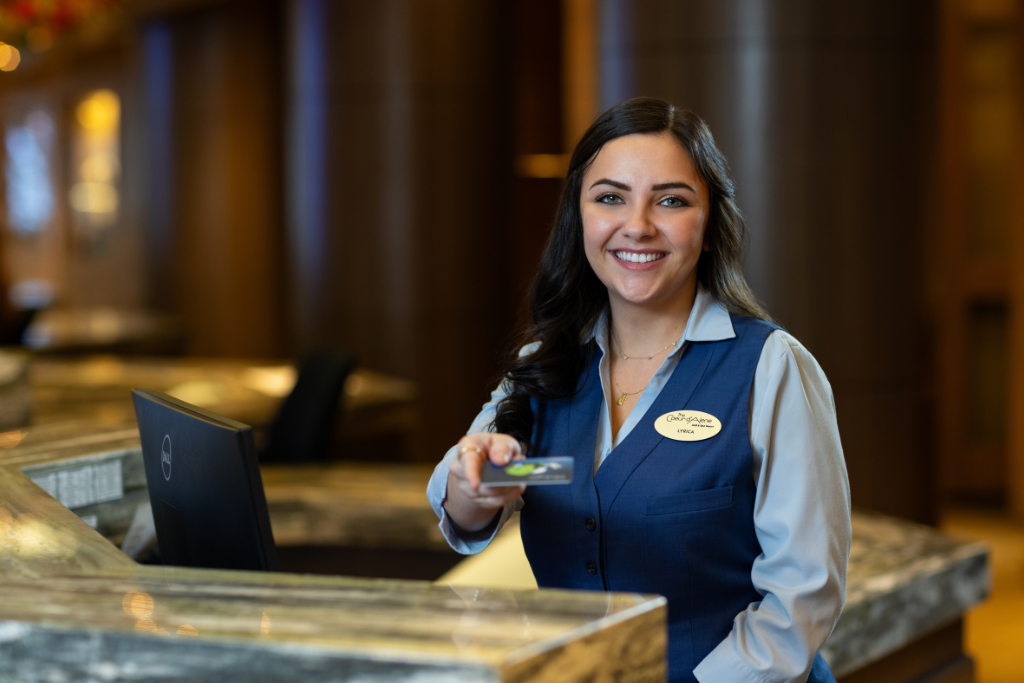
Luxury hospitality is a people-first career that blends service artistry with operational precision. You create memorable, highly personalized experiences across hotels, restaurants, spas, golf, and events while working closely with cross-functional teams. Many roles are accessible without prior hotel experience, and strong soft skills can accelerate advancement in this fast-paced, 24-7 industry.
Interest is rising for good reason. The global luxury hotel market is growing, and employers are actively recruiting new talent. At our lakeside resort in Idaho, we see that service-minded professionals from varied backgrounds can thrive in roles ranging from guest services to culinary, events, wellness, sales, and leadership. This guide outlines what the work involves, how to get started, and how to evaluate the right fit for you.
Last reviewed: September 2026
A luxury hospitality career centers on delivering consistently personalized, high-quality guest experiences across lodging, dining, events, recreation, and wellness. Modern luxury is defined less by opulence and more by authenticity, anticipation of needs, discretion, and service recovery when expectations are not met Glion. Teams operate as artisans of experience who blend warm, human connection with exacting standards SHMS.
The market outlook is strong. The luxury hotel sector reached roughly $154.32 billion in 2024 and is projected to grow to between $230.1 billion and $413.67 billion by 2034 Growth Market Reports. This growth intersects with significant hiring needs, as the industry faces a potential shortfall of 8.6 million workers globally by 2035 Hotel Dive.
You will find both guest-facing and behind-the-scenes paths. Guest services, concierge, and food and beverage teams work on the front line; housekeeping, culinary production, engineering, finance, sales, marketing, and IT drive the operation behind the scenes. And no, luxury hospitality is not only for people with hotel experience. Many employers hire for attitude, emotional intelligence, and reliability, then train technical skills ESEI.
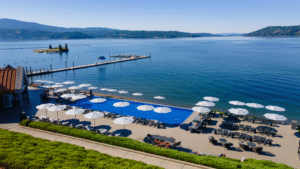
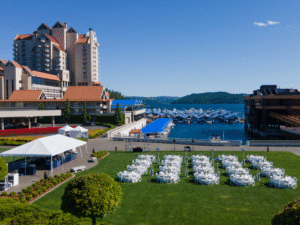
At The Coeur d’Alene Resort, approachable luxury shows up in details guests remember: signature spa therapies inspired by the Pacific Northwest, a complimentary pre-round chair massage for golfers, and a guest journey that feels both seamless and personal. These touches are made possible by a blend of front-of-house teams and expert behind-the-scenes pros in culinary, engineering, events, and more.
Career paths span the entire operation. Front-of-house roles interact directly with guests; others focus on quality, logistics, and revenue behind the scenes. The variety gives you room to grow in place or pivot across departments as your interests evolve.
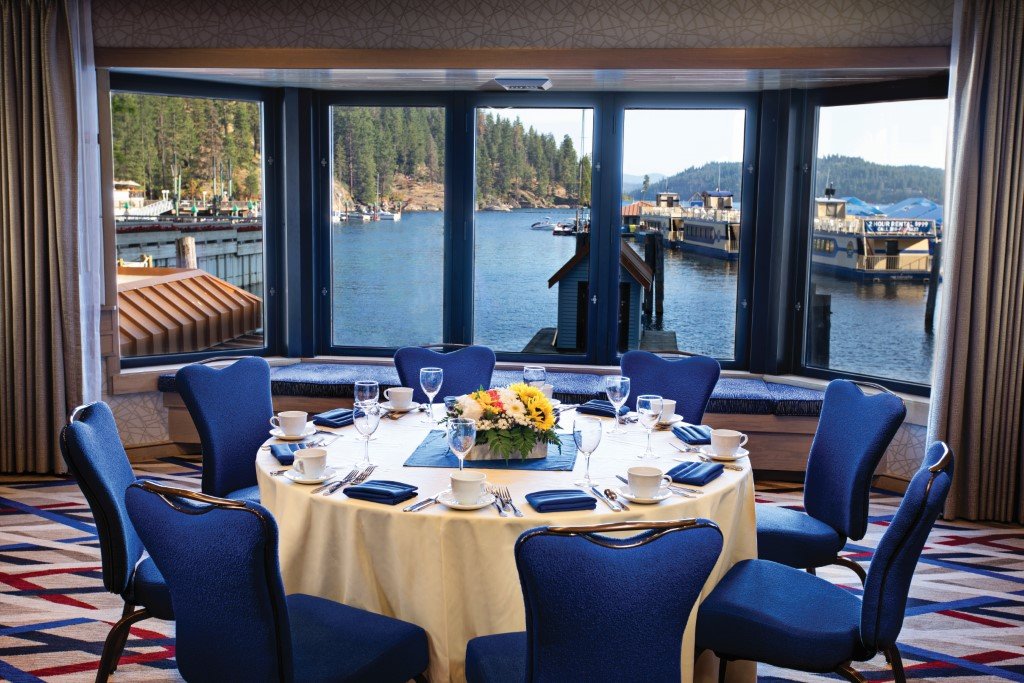
Our property operates like a small city, with 338 guest rooms, 21 private spa treatment rooms, and 32,000 square feet of meeting space across 25 rooms that welcome groups from 10 to 1,800. That scale supports careers in guest services, events, culinary, wellness, engineering, sales, finance, and more, including leadership paths such as Director of Food and Beverage, Spa Director, and Golf Course President.
Employers assess both technical skills and soft skills. Technical skills include reservation systems, POS, food safety, and spa or golf certifications. Soft skills cover interpersonal behaviors that shape service and teamwork. High emotional intelligence is vital for reading unstated needs, adapting to cultural nuances, and keeping calm under pressure Glion. Many hiring leaders prioritize soft skills because technical proficiencies can be taught Resident Magazine.
Key soft skills include:
Humility is a standout trait for early-career pros, since frontline operational work builds the foundation for leadership Sommet Education PDF.
Technological fluency helps you work smarter in PMS, CRM, and mobile service tools, but the differentiator is still human connection. Use systems to log preferences, coordinate service timing, and personalize touchpoints, then deliver the moment with warmth and discretion.
Yes. Many entry-level luxury hospitality roles do not require prior hotel experience, though requirements vary by position. Employers often hire for attitude and train for skill, which opens doors for students, career changers, and seasonal workers Alpazur Hotels.
Accessible starting points include guest services, housekeeping, food service, stewarding, events support, reservations, and some spa or recreation attendant roles. Common entry titles: front desk agent, bellperson, housekeeper, busser or food runner, banquet set-up, and spa locker room attendant Aspen Experience. Many employers provide structured onboarding and on-the-job training.
Experience from retail, restaurants, customer service, education, healthcare, or travel often transfers well. You bring conflict resolution, scheduling, sales, cultural awareness, and communication skills that map directly to hospitality. Some roles do require credentials, such as culinary certifications, trade qualifications for engineering, or prior experience for finance and management. Where possible, choose teams that offer cross-training so you learn how departments connect.
Seasonal or part-time roles in guest services, banquets, recreation, or housekeeping can build a strong foundation. You gain exposure to standards, pacing, and multi-department teamwork, then leverage that experience to secure a year-round role or move into a supervisory track.
Progression can be vertical within a department, lateral across departments, or along leadership tracks. Many professionals start in frontline roles, then step into supervisor, assistant manager, and manager positions. Advancement depends on performance, skills, business needs, timing, and your willingness to learn.
Formal development programs help accelerate growth. Four Seasons operates a 12 to 18 month Manager-in-Training program with departmental rotations and leadership development Four Seasons MIT. Industry apprenticeships through the AHLA Foundation allow employees to earn recognized credentials while working, often supported by U.S. Department of Labor funding The Hotel Industry.
Hospitality experience also travels well. Skills in service design, conflict resolution, sales, operations, and people leadership transfer to events, travel, customer experience, and broader operations roles. Many alumni move into specialized paths like revenue management, talent development, or project leadership as their careers evolve.
You will see internal postings, performance reviews, mentorship, and stretch assignments drive advancement. Seek cross-training, volunteer for high-impact events, and track results you can quantify. Hiring managers look for consistent standards, service recovery wins, and examples of coaching others.
Luxury properties run on collaboration. Front desk, housekeeping, culinary, banquets, spa, engineering, and sales coordinate around guest needs in real time. The pace can be high, with peak periods, seasonal surges, and frequent evening, weekend, and holiday shifts.
It is also a field investing in people. In response to persistently high turnover in accommodation and food services, estimated around 65.5% to 66.0% annually in 2025 Escoffier, employers are doubling down on support. Voluntary quits make up a large share of turnover at about 76.4% Boostpoint, and the monthly quit rate stands near 4.3%, almost double the private sector Hybrid Payroll. Leading hotels now highlight access to wellness resources, counseling, and skills development HospitalityNet.
Balance the realities with the rewards. Expect varied days, visible impact, and immediate feedback from guests and peers. Ask clear questions about scheduling, staffing levels, training, physical requirements, and seasonal patterns during interviews so you can plan for success.
At The Coeur d’Alene Resort, full-time employees can access an on-site clinic, daily employee meals in a dedicated lounge, and a 401(k) with a 50% match up to 4% alongside medical, dental, and vision after an eligibility period CDA Resort Team Talents Vaia job post Indeed reviews. Benefits and eligibility can vary by role and tenure.
Start by researching the property, the role, and typical guest profiles. Tailor your resume to highlight measurable service wins, teamwork, sales or upsell successes, process improvements, and leadership moments. Keep formatting clean and error free to reflect luxury standards Alpazur Hotels.
Practice behavioral interviewing with the STAR method, then prepare concise stories about difficult customers, competing priorities, teamwork, and learning from mistakes. Expect multi-stage selection processes. Many luxury employers use group interviews to see how you collaborate, communicate, and solve problems in real time iHire. When you do not know an answer, show humility and a plan to learn. It signals maturity and coachability.
Follow up professionally after interviews. Ask informed questions about onboarding, training, schedules, culture, and advancement so you can evaluate fit as clearly as the employer does.
Arrive early, bring extra resumes, and mirror the property’s dress standards. Be specific when describing results, such as time saved, guest satisfaction wins, or event efficiencies. Close with a thoughtful question that shows you understand their service ethos.
Thoughtful questions turn interviews into a two-way conversation. They show curiosity, business acumen, and a focus on long-term success.
They help you uncover how the property invests in training, communicates expectations, and supports well-being. The answers reveal whether the culture will help you grow and deliver great guest moments.
Consider a quick self-check. Do you enjoy helping people and creating experiences they remember? Are you comfortable with varied schedules that can include evenings, weekends, and holidays in a 24-7 setting Glion? Do you notice details, stay composed under pressure, and value teamwork and continuous learning?
Who thrives: service-oriented teammates who like fast-paced environments, appreciate structure and aesthetics, and want visible impact. Potential challenges: the physical nature of many roles, emotional labor with demanding clientele, and seasonal swings. If you prefer predictable, independent, or remote work, consider commercial or support roles like revenue, marketing, or HR, which offer more regular schedules.
Hospitality includes diverse work styles across guest services, culinary, events, spa and wellness, golf, engineering, finance, HR, and IT. Compare specific roles and teams rather than judging the entire field from one job post.
Use a simple sequence:
When comparing employers, look for signals of team support and mobility. Benefits such as on-site clinics, strong insurance options, daily meals, and retirement matching can show a long-term investment in people CDA Resort Team. Networking helps too. Connect with professionals on LinkedIn, attend recruitment events, and visit luxury properties to observe service standards in action.
If lakeside luxury speaks to you, explore current opportunities and our team culture at The Coeur d’Alene Resort on our team page CDA Resort Team.
North America represents about 31.5% to 31.77% of the global luxury hotel market, or roughly $38.9B to $44.48B as of 2025, which underscores active regional hiring needs Straits Research.
You do not need a formal degree to start. A hospitality, business, or culinary degree can help you access structured leadership programs, but many people advance through on-the-job training.
Entry paths include guest services, housekeeping, food service, stewarding, events support, reservations, and some wellness or recreation attendant roles Alpazur Hotels.
Pay varies by city and role. In the U.S., many frontline jobs list ranges around $15 to $27 per hour Indeed. Average hourly earnings in the sector reached about $22.53 to $22.70 in Jan 2025, up roughly 35% since Jan 2020 Escoffier. Median salaries for managerial roles often fall around $60,000 to $68,000, with executive roles exceeding six figures in some markets Hotel News Resource.
Both exist. Resorts and events may see strong seasonal peaks. Ask about typical patterns for the role and team.
Hotel management focuses on running a lodging property. Hospitality management is broader, spanning lodging, F&B, events, wellness, and recreation. Titles and scopes vary by company.
Communication, reliability, empathy, problem solving, attention to detail, teamwork, adaptability, and a learning mindset are consistently valued Glion.
Yes. Many properties promote from within and offer cross-training or leadership programs, such as MIT rotations Four Seasons MIT.
Often yes. Customer service, sales, scheduling, conflict resolution, and cultural awareness transfer well to hotels, resorts, and events.
Keep your resume clean and free of errors, then prepare STAR stories that show service recovery, teamwork under pressure, and results you can quantify. Many employers include group interviews to observe how you collaborate iHire.
Luxury hospitality is a dynamic path for people who love crafting experiences and working on high-performing teams. The field is growing, with employers hungry for service-minded talent and willing to train technical skills. You can start in accessible roles, build confidence and cross-functional knowledge, then move into leadership through performance, mentoring, and structured programs.
Your next steps: narrow target roles, translate your wins into a clean resume, practice STAR stories, research properties, and evaluate fit using clear questions about training, schedules, benefits, and culture. If a lakeside resort career appeals to you, explore our current opportunities and team culture at The Coeur d’Alene Resort on our team page: https://www.cdaresortspa.com/team/.
It is a long established fact that a reader will be distracted by the readable content of a page when looking at its layout. The point of using Lorem Ipsum is that it has a more-or-less normal distribution of letters, as opposed to using ‘Content here, content here’, making it look like readable English. Many desktop publishing packages and web page editors now use Lorem Ipsum as their default model text, and a search for ‘lorem ipsum’ will uncover many web sites still in their infancy.
It is a long established fact that a reader will be distracted by the readable content of a page when looking at its layout. The point of using Lorem Ipsum is that it has a more-or-less normal distribution of letters, as opposed to using ‘Content here, content here’, making it look like readable English. Many desktop publishing packages and web page editors now use Lorem Ipsum as their default model text, and a search for ‘lorem ipsum’ will uncover many web sites still in their infancy.
The point of using Lorem Ipsum is that it has a more-or-less normal distribution of letters, as opposed to using ‘Content here, content here’, making

The point of using Lorem Ipsum is that it has a more-or-less normal distribution of letters, as opposed to using ‘Content here, content here’, making it look like readable English. Many desktop publishing packages and web page editors now use Lorem Ipsum as their default model text, and a search for ‘lorem ipsum’ will uncover many web sites still in their infancy.

It is a long established fact that a reader will be distracted by the readable content of a page when looking at its layout. The point of using Lorem Ipsum is that it has a more-or-less normal distribution
Copyright BlazeThemes. 2023