/ Dec 01, 2025
Trending
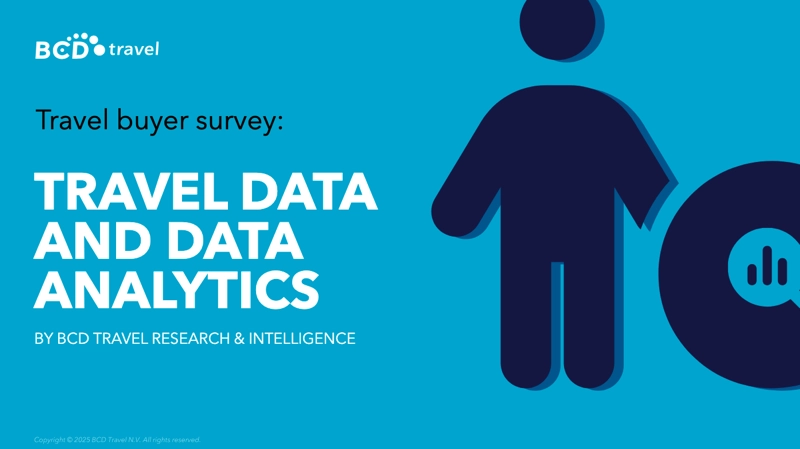

BCD Travel Report Reveals Key Strategies for Optimizing Corporate Travel Through Data – Image Credit BCD Travel
BCD Travel surveyed 197 travel buyers from around the world in top industries including manufacturing, life sciences and financial services. The majority of travel buyers surveyed work for large companies with over 10,000 employees; 48% have global responsibilities, and 41% report to procurement. The results clearly reflect the importance of using data as a tool to develop their travel programs, including boosting supplier negotiations, improving policy compliance and optimizing travel spend.
Priorities
When it comes to program priorities, travel buyers list savings and cost control (94%) as extremely or very important. Policy compliance (90%) and duty of care (86%) followed. Data analytics and business intelligence were also highly rated: 82% consider this extremely or very important.
The top two data-related priorities include enhancing collaboration with TMCs and travel suppliers around data collection and analysis (48%) and improving data quality (47%). This is followed by consolidating data from different sources (44%), enhancing data analysis (42%), acting on insights (36%) and streamlining data collection (33%).
The value of data
Indeed, data adds value to travel programs, albeit in different ways. Travel data brings particular value when it comes to negotiating with vendors (65%), improving compliance (59%) and optimizing spend (57%).
Challenges
Collecting data for data’s sake isn’t the goal. Rather, understanding the story that data reveals, and turning it into actionable insights, is. Half of the participants struggle with using data proactively versus reactively. This is a significant opportunity for improvement since data can reveal areas for cost savings, traveler behavior trends, and out of policy bookings.
BCD captures valuable data from the moment a traveler engages with the TMC. Its configurable technology platform collects, standardizes, normalizes, enriches and shares that data with customers – giving them complete control over their data in real time. APIs allow clients more customization to power their own solutions for traveler security, internet security, sustainability, and more. BCD also uses program travel data with messaging capabilities to influence traveler decisions. This can be used to address policy compliance throughout the trip and remind travelers of key benefits and inclusions, preventing unnecessary purchases like car insurance when it’s already included.
Further highlights of the report include:
“BCD Travel is capturing more data from more sources than ever before,” says Heather Wright, BCD’s vice president, Digital Strategy & Advancement. “We invest heavily in the consolidation, standardization and normalization of this data, ensuring the most accurate, quality data is provided back to our customers. We deliver this data through a variety of unique solutions that allow our customers to make decisions in real time.”
To view the full data survey report, click here.
BCD Travel Report Reveals Key Strategies for Optimizing Corporate Travel Through Data – Image Credit BCD Travel
BCD Travel surveyed 197 travel buyers from around the world in top industries including manufacturing, life sciences and financial services. The majority of travel buyers surveyed work for large companies with over 10,000 employees; 48% have global responsibilities, and 41% report to procurement. The results clearly reflect the importance of using data as a tool to develop their travel programs, including boosting supplier negotiations, improving policy compliance and optimizing travel spend.
Priorities
When it comes to program priorities, travel buyers list savings and cost control (94%) as extremely or very important. Policy compliance (90%) and duty of care (86%) followed. Data analytics and business intelligence were also highly rated: 82% consider this extremely or very important.
The top two data-related priorities include enhancing collaboration with TMCs and travel suppliers around data collection and analysis (48%) and improving data quality (47%). This is followed by consolidating data from different sources (44%), enhancing data analysis (42%), acting on insights (36%) and streamlining data collection (33%).
The value of data
Indeed, data adds value to travel programs, albeit in different ways. Travel data brings particular value when it comes to negotiating with vendors (65%), improving compliance (59%) and optimizing spend (57%).
Challenges
Collecting data for data’s sake isn’t the goal. Rather, understanding the story that data reveals, and turning it into actionable insights, is. Half of the participants struggle with using data proactively versus reactively. This is a significant opportunity for improvement since data can reveal areas for cost savings, traveler behavior trends, and out of policy bookings.
BCD captures valuable data from the moment a traveler engages with the TMC. Its configurable technology platform collects, standardizes, normalizes, enriches and shares that data with customers – giving them complete control over their data in real time. APIs allow clients more customization to power their own solutions for traveler security, internet security, sustainability, and more. BCD also uses program travel data with messaging capabilities to influence traveler decisions. This can be used to address policy compliance throughout the trip and remind travelers of key benefits and inclusions, preventing unnecessary purchases like car insurance when it’s already included.
Further highlights of the report include:
“BCD Travel is capturing more data from more sources than ever before,” says Heather Wright, BCD’s vice president, Digital Strategy & Advancement. “We invest heavily in the consolidation, standardization and normalization of this data, ensuring the most accurate, quality data is provided back to our customers. We deliver this data through a variety of unique solutions that allow our customers to make decisions in real time.”
To view the full data survey report, click here.