/ Sep 12, 2026
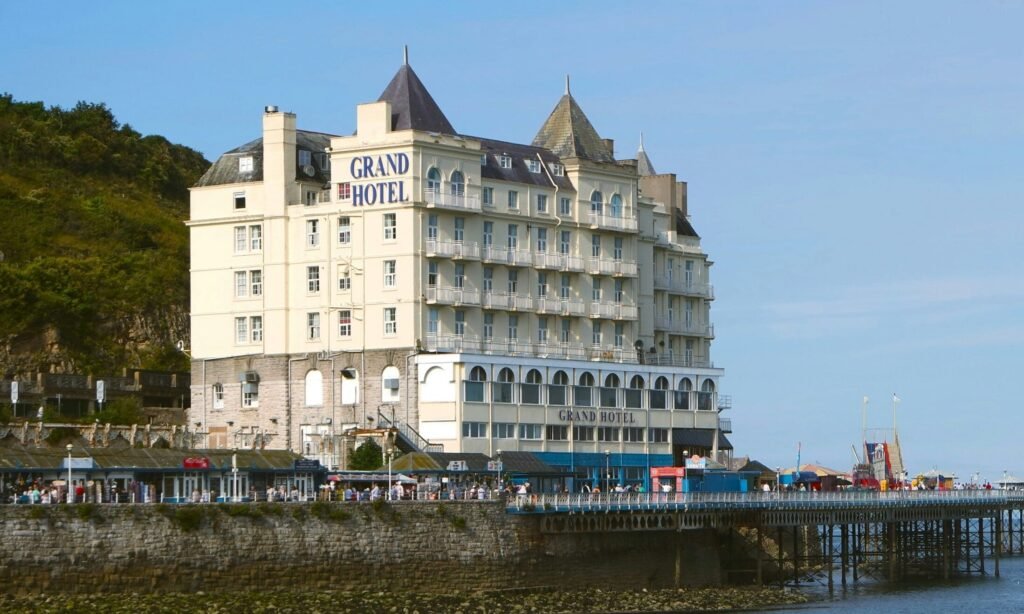
The UK hotel market entered a phase of stabilisation this year underpinned by robust demand following a period of heightened competition, according to Christie and Co’s debut UK Hotel Market Review 2026.
The report found that domestic tourism continues to underpin demand, with 80.5% of stays being for one night only. This was linked to business, events and short leisure trips.
Overnight trip intentions remain stable despite cost-of-living pressures, with renewed strength seen in October and December. While the staycation market remains resilient, Christie and Co said it is increasingly competitive, with shorter stays, later bookings and targeted destination choices driving a redistribution of demand.
Inbound tourism is gradually recovering, though flows remain uneven. Travel behaviour is becoming more experience-led, flexible and price-sensitive. Regional performance across the UK shows a divergence in year-on-year RevPAR growth trajectories, driven by local supply and event dynamics.
Markets such as Liverpool are showing a softening in performance, with both rate and occupancy declining despite stable demand. London sits closer to stabilisation, supported by the depth of its demand base, while Edinburgh and Glasgow lead the sector with strong growth. Cardiff is also among the stronger performers.
Cost pressures remain a defining feature of the operating environment, constraining profit conversion. Labour remains the largest cost base, with wage inflation and National Insurance increases continuing to pressure margins. Profitability growth is shifting from rooms to total revenue and experience-led spend.
According to Christie and Co, the hotel transaction market in 2026 so far has been characterised by high-profile deals concentrated at opposite ends of the market. Approximately £1.95bn of transaction volume was recorded in the first half of the year, with single assets making up around 82% of transactions and portfolio sales accounting for 18%.
Meanwhile, domestic capital drove around 67% of investment. The sector saw a 15% year-on-year decline in accommodation insolvencies from January to April 2026 compared with the same period last year. However, the operating environment for hotels remains challenging, with margins under sustained pressure.
Carine Bonnejean, managing director of hotels and international at Christie and Co, said: “It’s becoming increasingly clear that performance is no longer being driven by rooms alone. With demand being shaped by shorter stays and event-led travel, operators must work harder to capture value from each guest interaction. At the same time, elevated costs are accelerating the shift towards total revenue strategies, with greater focus on ancillary spend and operational efficiency.
“Against this backdrop, the level of transaction activity we have seen so far this year reflects continued confidence in the sector, but also a more selective approach, with buyers targeting assets best positioned to adapt to these evolving dynamics.”
News Analysis
In January 2023, Christie and Co reported that the UK hotel sector showed signs of ‘rebalancing’, with improved sentiment due to plateauing interest rates and a substantial increase in hotel deals agreed—in fact, transaction volumes jumped by over 81% in the latter half of 2023 compared to the earlier months. This sentiment resonates with the findings from the January 2022 report, which indicated that while the market faced numerous economic headwinds, the hotel sector remained resilient, achieving a 2.8% increase in hotel price index during the second half of that year amidst uncertain conditions signs of recovery in the first half of 2022.
Looking further back, in June 2022, Christie and Co projected that the hotel market, while challenged, would still function effectively due to active asset management and sector adaptability. They noted that the market had begun to recover from the effects of the pandemic, suggesting that investor appetite would remain robust despite economic uncertainties occupancy levels recovered faster than expected in H1. This is significant as it reflects the cyclical nature of the sector, where previous downturns have historically been followed by rebounds based on operational strategies and market conditions.
In a historical context, in January 2019, Christie and Co anticipated continued growth in the UK hotel market despite increasing operational costs. This optimism stemmed from the influx of international investments and a steady rise in transaction activities, which indicated a market that could withstand fluctuations growing operational costs and market predictions. The connections between past and current projections highlight the industry’s resilience and suggest that current stabilisation efforts may position the sector favourably for future growth.
The UK hotel market entered a phase of stabilisation this year underpinned by robust demand following a period of heightened competition, according to Christie and Co’s debut UK Hotel Market Review 2026.
The report found that domestic tourism continues to underpin demand, with 80.5% of stays being for one night only. This was linked to business, events and short leisure trips.
Overnight trip intentions remain stable despite cost-of-living pressures, with renewed strength seen in October and December. While the staycation market remains resilient, Christie and Co said it is increasingly competitive, with shorter stays, later bookings and targeted destination choices driving a redistribution of demand.
Inbound tourism is gradually recovering, though flows remain uneven. Travel behaviour is becoming more experience-led, flexible and price-sensitive. Regional performance across the UK shows a divergence in year-on-year RevPAR growth trajectories, driven by local supply and event dynamics.
Markets such as Liverpool are showing a softening in performance, with both rate and occupancy declining despite stable demand. London sits closer to stabilisation, supported by the depth of its demand base, while Edinburgh and Glasgow lead the sector with strong growth. Cardiff is also among the stronger performers.
Cost pressures remain a defining feature of the operating environment, constraining profit conversion. Labour remains the largest cost base, with wage inflation and National Insurance increases continuing to pressure margins. Profitability growth is shifting from rooms to total revenue and experience-led spend.
According to Christie and Co, the hotel transaction market in 2026 so far has been characterised by high-profile deals concentrated at opposite ends of the market. Approximately £1.95bn of transaction volume was recorded in the first half of the year, with single assets making up around 82% of transactions and portfolio sales accounting for 18%.
Meanwhile, domestic capital drove around 67% of investment. The sector saw a 15% year-on-year decline in accommodation insolvencies from January to April 2026 compared with the same period last year. However, the operating environment for hotels remains challenging, with margins under sustained pressure.
Carine Bonnejean, managing director of hotels and international at Christie and Co, said: “It’s becoming increasingly clear that performance is no longer being driven by rooms alone. With demand being shaped by shorter stays and event-led travel, operators must work harder to capture value from each guest interaction. At the same time, elevated costs are accelerating the shift towards total revenue strategies, with greater focus on ancillary spend and operational efficiency.
“Against this backdrop, the level of transaction activity we have seen so far this year reflects continued confidence in the sector, but also a more selective approach, with buyers targeting assets best positioned to adapt to these evolving dynamics.”
News Analysis
In January 2023, Christie and Co reported that the UK hotel sector showed signs of ‘rebalancing’, with improved sentiment due to plateauing interest rates and a substantial increase in hotel deals agreed—in fact, transaction volumes jumped by over 81% in the latter half of 2023 compared to the earlier months. This sentiment resonates with the findings from the January 2022 report, which indicated that while the market faced numerous economic headwinds, the hotel sector remained resilient, achieving a 2.8% increase in hotel price index during the second half of that year amidst uncertain conditions signs of recovery in the first half of 2022.
Looking further back, in June 2022, Christie and Co projected that the hotel market, while challenged, would still function effectively due to active asset management and sector adaptability. They noted that the market had begun to recover from the effects of the pandemic, suggesting that investor appetite would remain robust despite economic uncertainties occupancy levels recovered faster than expected in H1. This is significant as it reflects the cyclical nature of the sector, where previous downturns have historically been followed by rebounds based on operational strategies and market conditions.
In a historical context, in January 2019, Christie and Co anticipated continued growth in the UK hotel market despite increasing operational costs. This optimism stemmed from the influx of international investments and a steady rise in transaction activities, which indicated a market that could withstand fluctuations growing operational costs and market predictions. The connections between past and current projections highlight the industry’s resilience and suggest that current stabilisation efforts may position the sector favourably for future growth.
It is a long established fact that a reader will be distracted by the readable content of a page when looking at its layout. The point of using Lorem Ipsum is that it has a more-or-less normal distribution of letters, as opposed to using ‘Content here, content here’, making it look like readable English. Many desktop publishing packages and web page editors now use Lorem Ipsum as their default model text, and a search for ‘lorem ipsum’ will uncover many web sites still in their infancy.
It is a long established fact that a reader will be distracted by the readable content of a page when looking at its layout. The point of using Lorem Ipsum is that it has a more-or-less normal distribution of letters, as opposed to using ‘Content here, content here’, making it look like readable English. Many desktop publishing packages and web page editors now use Lorem Ipsum as their default model text, and a search for ‘lorem ipsum’ will uncover many web sites still in their infancy.
The point of using Lorem Ipsum is that it has a more-or-less normal distribution of letters, as opposed to using ‘Content here, content here’, making

The point of using Lorem Ipsum is that it has a more-or-less normal distribution of letters, as opposed to using ‘Content here, content here’, making it look like readable English. Many desktop publishing packages and web page editors now use Lorem Ipsum as their default model text, and a search for ‘lorem ipsum’ will uncover many web sites still in their infancy.

It is a long established fact that a reader will be distracted by the readable content of a page when looking at its layout. The point of using Lorem Ipsum is that it has a more-or-less normal distribution
Copyright BlazeThemes. 2023