/ Sep 22, 2026
Trending
For most of its life in hospitality, social media had a clear and modest place. It sat inside marketing, it was owned by a social or content team, and it was judged on reach, followers and engagement. That definition is now out of date, and the businesses still working to it are quietly losing ground.
The change is not that social has become more important within marketing. It is that social has moved beyond the boundaries of marketing. The same platforms now touch parts of a hospitality business that were never thought of as social at all, and the lines between them have blurred to the point where managing social as a standalone activity no longer makes sense.
The lines have blurred
Consider where social now sits. It shapes demand and direct bookings, which places it in the territory of revenue management and sales; a well-run channel can help stimulate demand around a soft period or need date, and it is increasingly where the booking journey begins. It has become a service channel, because guests raise questions and complaints in comments and direct messages, and how quickly and how well a brand responds shapes reputation as surely as anything at the front desk. It is part of the guest experience, running through discovery, anticipation, the stay and the memory of it afterwards. And it drives loyalty, maintaining relevance between visits alongside email, CRM and loyalty programmes.
Marketing, revenue, sales, service, guest experience, loyalty: social now overlaps with all of them. It is no longer a lane in the organisation. It is a layer that runs across it.
Why this is a leadership question
When an activity spreads across so much of the business, it stops being a niche task that can be handed off and forgotten. It becomes a commercial concern, and commercial concerns belong with leadership.
This is the part many hospitality businesses have been slow to accept. The instinct is still to treat social as something the marketing team, or an agency, simply takes care of. But the decisions that determine whether it produces a commercial return are leadership decisions: what objectives it should serve, how much to invest, what standards to hold it to, and how its performance is judged. Those cannot be delegated to whoever happens to be closest to the platform.

The client has to be educated too
An agency can only be as good as the brief it is given and the standard it is held to. A client who does not understand the discipline cannot write that brief, cannot tell good work from expensive work, and cannot connect what an agency produces to the outcomes the business actually cares about. The literacy has to sit with the client, whether or not the client ever writes a caption. Being an educated buyer is not a nice-to-have; it is what turns an agency relationship from a cost into a return.
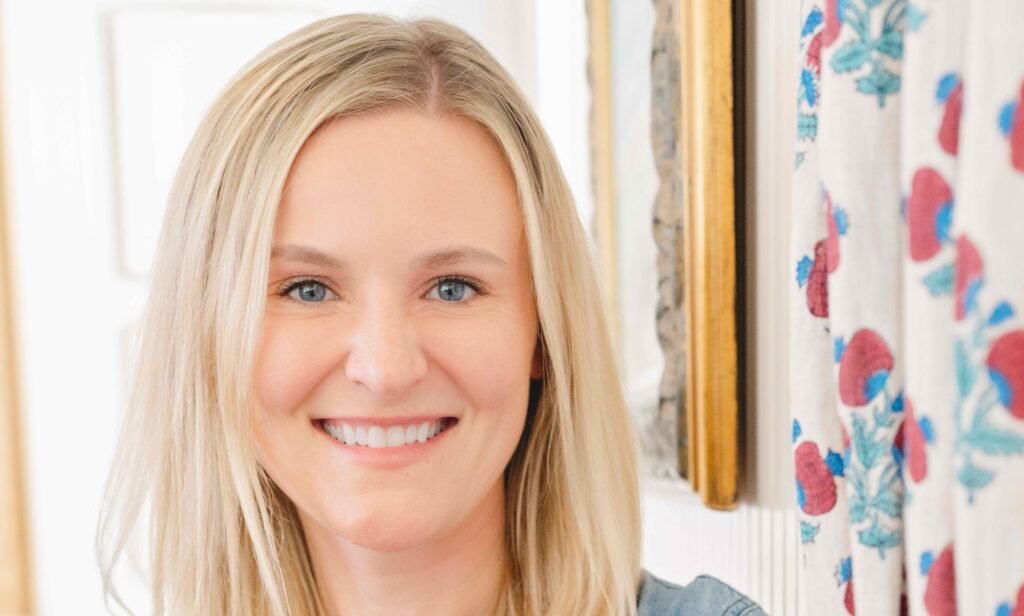
“The strongest hospitality social strategies do more than create engagement. They contribute to brand positioning, demand, direct bookings and guest loyalty. Throughout my career, I have seen the difference that a clear, intentional strategy can make,” says Whitney Reynolds, former Global Director of Social Marketing at IHG and Kimpton.
Building that understanding
That is the gap the Hospitality Social Media Summit, which Reynolds headlines and co-produces, was created to close. A two-day executive programme at Chicago Booth School of Business, London, followed by six months of continued development, it is built for the leaders and teams who set social strategy and judge its results, not only those who execute it.
For hospitality leaders, the lesson beneath all of this is straightforward. Social media has changed in function, scale and commercial consequence. Treating it as a marketing add-on means measuring the wrong things; understanding it as a discipline that runs through revenue, service and loyalty is what turns attention into lasting commercial value.
About the Hospitality Social Media Summit
The Hospitality Social Media Summit takes place at Chicago Booth School of Business, London, on 3 and 4 September 2026.
Delegate and group places are available now at hospitalitysocialsummit.com. For booking and group enquiries, contact [email protected].
Kordie® is a UK-based hospitality education company focused on the roles, skills, and knowledge that did not exist five years ago. As technology, AI, creator economies, and commercial models reshape how hospitality brands operate, Kordie builds the training infrastructure for the teams leading that change. Working with senior practitioners from the world’s leading hotel groups, Kordie delivers expert-vetted, commercially focused learning through its summit series, benchmark research, and AI-powered knowledge platform. kordie.com
For most of its life in hospitality, social media had a clear and modest place. It sat inside marketing, it was owned by a social or content team, and it was judged on reach, followers and engagement. That definition is now out of date, and the businesses still working to it are quietly losing ground.
The change is not that social has become more important within marketing. It is that social has moved beyond the boundaries of marketing. The same platforms now touch parts of a hospitality business that were never thought of as social at all, and the lines between them have blurred to the point where managing social as a standalone activity no longer makes sense.
The lines have blurred
Consider where social now sits. It shapes demand and direct bookings, which places it in the territory of revenue management and sales; a well-run channel can help stimulate demand around a soft period or need date, and it is increasingly where the booking journey begins. It has become a service channel, because guests raise questions and complaints in comments and direct messages, and how quickly and how well a brand responds shapes reputation as surely as anything at the front desk. It is part of the guest experience, running through discovery, anticipation, the stay and the memory of it afterwards. And it drives loyalty, maintaining relevance between visits alongside email, CRM and loyalty programmes.
Marketing, revenue, sales, service, guest experience, loyalty: social now overlaps with all of them. It is no longer a lane in the organisation. It is a layer that runs across it.
Why this is a leadership question
When an activity spreads across so much of the business, it stops being a niche task that can be handed off and forgotten. It becomes a commercial concern, and commercial concerns belong with leadership.
This is the part many hospitality businesses have been slow to accept. The instinct is still to treat social as something the marketing team, or an agency, simply takes care of. But the decisions that determine whether it produces a commercial return are leadership decisions: what objectives it should serve, how much to invest, what standards to hold it to, and how its performance is judged. Those cannot be delegated to whoever happens to be closest to the platform.
The client has to be educated too
An agency can only be as good as the brief it is given and the standard it is held to. A client who does not understand the discipline cannot write that brief, cannot tell good work from expensive work, and cannot connect what an agency produces to the outcomes the business actually cares about. The literacy has to sit with the client, whether or not the client ever writes a caption. Being an educated buyer is not a nice-to-have; it is what turns an agency relationship from a cost into a return.
“The strongest hospitality social strategies do more than create engagement. They contribute to brand positioning, demand, direct bookings and guest loyalty. Throughout my career, I have seen the difference that a clear, intentional strategy can make,” says Whitney Reynolds, former Global Director of Social Marketing at IHG and Kimpton.
Building that understanding
That is the gap the Hospitality Social Media Summit, which Reynolds headlines and co-produces, was created to close. A two-day executive programme at Chicago Booth School of Business, London, followed by six months of continued development, it is built for the leaders and teams who set social strategy and judge its results, not only those who execute it.
For hospitality leaders, the lesson beneath all of this is straightforward. Social media has changed in function, scale and commercial consequence. Treating it as a marketing add-on means measuring the wrong things; understanding it as a discipline that runs through revenue, service and loyalty is what turns attention into lasting commercial value.
About the Hospitality Social Media Summit
The Hospitality Social Media Summit takes place at Chicago Booth School of Business, London, on 3 and 4 September 2026.
Delegate and group places are available now at hospitalitysocialsummit.com. For booking and group enquiries, contact [email protected].
Kordie® is a UK-based hospitality education company focused on the roles, skills, and knowledge that did not exist five years ago. As technology, AI, creator economies, and commercial models reshape how hospitality brands operate, Kordie builds the training infrastructure for the teams leading that change. Working with senior practitioners from the world’s leading hotel groups, Kordie delivers expert-vetted, commercially focused learning through its summit series, benchmark research, and AI-powered knowledge platform. kordie.com