News Elementor

RECENT NEWS

SEO, AEO, and GEO: What Hotels Need to Know

Spent any time on Google in the last few months? Then you’ll know one thing’s for sure – AI is changing how search works, fast.

Google recently announced their AI Mode has just passed over a billion monthly users. And their AI Overviews? That’s now reached a whopping 2.5 billion active users every month.

But why does this news matter for hotels?

In short, it means travellers are no longer just typing keywords into Google.

  • They’re asking AI tools
  • They’re using voice search
  • They’re reading AI-generated summaries before they even click a result

For hotel marketers, traditional SEO still matters – but it’s no longer the whole picture.

Welcome the two new players in town – AEO and GEO.
Man using Google search engine on a laptop with a cup of coffee

What is SEO?

SEO – or Search Engine Optimisation – is your foundation to great hotel digital marketing. Much like building on the sand, if your foundation’s weak, everything else crumbles.

With SEO, your hotel shows up in classic search results, whether people search for things like “boutique hotel in London”, “family-friendly hotel near Hyde Park”, or “romantic hotel stays for couples”.

Building strong SEO performance for your hotel website has never been easier:

  • Make your site fast, crawlable, and easy for search engines (and humans!) to understand.
  • Target the right keywords in page titles, headings, and meta descriptions.
  • Earn trusted backlinks from relevant travel and hospitality sites.

What is AEO?

AEO – or Answer Engine Optimisation – is one of the newest secret weapons for your digital marketing. Like the name suggests, it’s all about making your content easy for search engines and AI tools to digest and convert into direct answers.

For example, that can include featured snippets, AI Overviews, and even voice search results.

AEO helps your hotel get chosen for the answer, not just listed in the results.

The good news – implementing AEO for hotels doesn’t need any enormous content overhauls or tech bells and whistles. It can be as straightforward as:

  • Putting the answer first.
  • Writing in clear, natural language.
  • Using FAQs and structured data to help machines identify key answers. (My teammate Holly wrote about this for your hotel schema markup – the same rules apply!)

From our experience, AEO works well for your hotel’s most common questions, like:

  • Is parking available?
  • Do you allow pets?
  • What time is check-in?

“AEO” vs. “AIO’: What’s the difference?

You might also see some sources mention “AIO” or “AI Overviews Optimisation”. This is often covered by AEO more generally (and the marketing world has enough acronyms!). So to make things less complicated, we’ll stick to just the wider ‘AEO’ definition from here on.

What is GEO?

GEO – or Generative Engine Optimisation – is the meatiest update for your hotel’s AI marketing. To cut a long story short, GEO is about creating content that generative AI systems can understand, trust, and use in longer, more detailed answers.

Hotels can add GEO to their marketing mix in a huge variety of ways:

  • Publish useful guides and destination content for your hotel’s visitors.
  • Share original insights, not just generic copy.
  • Structure content clearly with headings, sections, and supporting detail.

Each of these content additions signal to AI systems that your hotel’s content is relevant and useful to searchers.

What’s an example of generative engine optimisation hotels can use?

Let’s say someone asks an AI tool for the ‘best spa hotels in London’.

  • AI systems are more likely to reference content that feels detailed, specific, and trustworthy.
  • Like that new spa landing page you just added to your London hotel website, covering your spa treatments, spa packages, and spa offers, all in one neat package. (Clever you.)
  • AI will then reward you with stronger search signals and a higher chance of appearing in top search results through popular AI platforms like ChatGPT, Claude, Perplexity, and many more.

As you can see, GEO has become an incredibly powerful tool – and that’s where your hotel can really stand out.

SEO + AEO + GEO = the winning formula for hospitality marketing

Life’s too short and your hotel’s to-do list is too long, so here’s a brief recap:

  • SEO gets you found.
  • AEO helps you answer quick questions.
  • GEO helps you show up in richer AI-generated responses.

Together, they give your hotel more chances to appear wherever travellers are searching – whether that’s in Google, a voice assistant, or an AI chat tool.

Examples of SEO, AEO, and GEO in the hotel industry

Guest querySEO resultAEO resultGEO result
hotels near the London Eye with family roomsA page targets the search term “hotel near London Eye”.An FAQ answers the family room question clearly and directly.A guide gives more detail on room types, nearby attractions, and family-friendly features.
Is parking available at your hotel?The site ranks for searches like “hotel with parking London”.A clear parking section gives the answer upfront.A longer page explains nearby parking options, pricing, and local driving tips.
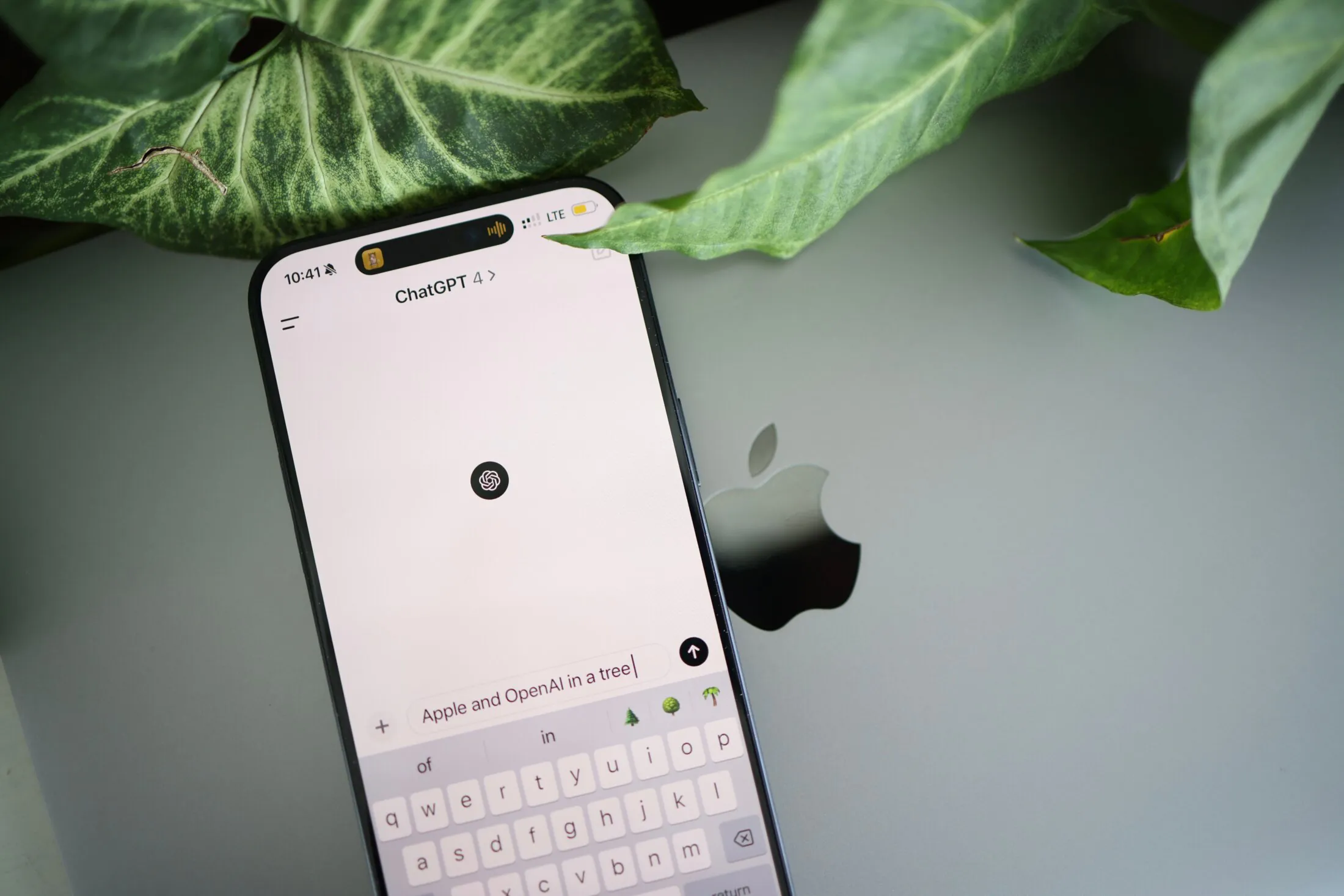
Mobile phone user on ChatGPT 4.0 search engine with plants in the background

Hotel marketers’ GEO quick wins

  • Audit your site to make sure it loads quickly and is easy for Google to crawl.
  • Add FAQs for the questions guests actually ask.
  • Write answers that are short, clear, and natural.
  • Publish a few deeper guides on topics that matter to travellers.
  • Keep reviews, awards, and unique selling points visible.
  • Check how your hotel appears in AI-driven search experiences and close the gaps.

What’s next for hotel?

Today, search is less about ranking for certain keywords. It’s about becoming more useful, visible, and easy to trust across every search experience – both for AI and human searchers.

Ultimately, the hotels that combine SEO, AEO and GEO will be the ones in a much stronger position to win attention, earn clicks, and drive direct bookings.


Need some guidance on implementing GEO for hotels? Want to combine your SEO, AEO, and GEO efforts for better AI hotel visibility?

The UP Hotel Agency team is here to help!


What’s the difference between SEO, AEO, and GEO? caret-down

  • SEO stands for search engine optimisation, and helps your hotel rank in traditional search results.
  • AEO stands for answer engine optimisation, and helps your content appear as direct answers in AI overviews, featured snippets, and voice search.
  • GEO stands for generative engine optimisation, and helps AI tools understand, trust, and reference your content in longer AI-generated responses.

What is GEO for hotels? caret-down

Generative engine optimisation for hotels involves creating useful, trustworthy, and well-structured content for guests that AI tools can understand and cite.
The goal of GEO is increasing visibility in AI-powered search experiences. As a result, hotels that successfully use GEO strategies in their marketing are more likely to appear in searches through popular AI tools like ChatGPT, Claude, and Perplexity.

What are some examples of GEO in the hospitality industry? caret-down

Common examples of GEO for hotels include:

  • Publishing local destination guides
  • Creating detailed pages for hotel facilities and services (such as their spa, family rooms, or pet-friendly offerings)
  • Sharing original insights, not generic cookie-cutter copy
  • Structuring content clearly with headings and supporting information
    Combining all of these signals helps AI tools identify and reference your hotel’s content.

How can hotels improve their AI visibility? caret-down

The best way hotels can improve AI visibility is by combining SEO, AEO, and GEO strategies. This might include:

  • Focusing on a fast, crawlable website
  • Adding FAQs that answer common guest questions
  • Using structured data (including schema)
  • Publishing helpful long-form content
  • Adopting clear page structures
  • Showcasing reviews, awards, and other unique selling points to build trust with both search engines and AI systems

Source link

Spent any time on Google in the last few months? Then you’ll know one thing’s for sure – AI is changing how search works, fast.

Google recently announced their AI Mode has just passed over a billion monthly users. And their AI Overviews? That’s now reached a whopping 2.5 billion active users every month.

But why does this news matter for hotels?

In short, it means travellers are no longer just typing keywords into Google.

  • They’re asking AI tools
  • They’re using voice search
  • They’re reading AI-generated summaries before they even click a result

For hotel marketers, traditional SEO still matters – but it’s no longer the whole picture.

Welcome the two new players in town – AEO and GEO.

Man using Google search engine on a laptop with a cup of coffee

What is SEO?

SEO – or Search Engine Optimisation – is your foundation to great hotel digital marketing. Much like building on the sand, if your foundation’s weak, everything else crumbles.

With SEO, your hotel shows up in classic search results, whether people search for things like “boutique hotel in London”, “family-friendly hotel near Hyde Park”, or “romantic hotel stays for couples”.

Building strong SEO performance for your hotel website has never been easier:

  • Make your site fast, crawlable, and easy for search engines (and humans!) to understand.
  • Target the right keywords in page titles, headings, and meta descriptions.
  • Earn trusted backlinks from relevant travel and hospitality sites.

What is AEO?

AEO – or Answer Engine Optimisation – is one of the newest secret weapons for your digital marketing. Like the name suggests, it’s all about making your content easy for search engines and AI tools to digest and convert into direct answers.

For example, that can include featured snippets, AI Overviews, and even voice search results.

AEO helps your hotel get chosen for the answer, not just listed in the results.

The good news – implementing AEO for hotels doesn’t need any enormous content overhauls or tech bells and whistles. It can be as straightforward as:

  • Putting the answer first.
  • Writing in clear, natural language.
  • Using FAQs and structured data to help machines identify key answers. (My teammate Holly wrote about this for your hotel schema markup – the same rules apply!)

From our experience, AEO works well for your hotel’s most common questions, like:

  • Is parking available?
  • Do you allow pets?
  • What time is check-in?

“AEO” vs. “AIO’: What’s the difference?

You might also see some sources mention “AIO” or “AI Overviews Optimisation”. This is often covered by AEO more generally (and the marketing world has enough acronyms!). So to make things less complicated, we’ll stick to just the wider ‘AEO’ definition from here on.

What is GEO?

GEO – or Generative Engine Optimisation – is the meatiest update for your hotel’s AI marketing. To cut a long story short, GEO is about creating content that generative AI systems can understand, trust, and use in longer, more detailed answers.

Hotels can add GEO to their marketing mix in a huge variety of ways:

  • Publish useful guides and destination content for your hotel’s visitors.
  • Share original insights, not just generic copy.
  • Structure content clearly with headings, sections, and supporting detail.

Each of these content additions signal to AI systems that your hotel’s content is relevant and useful to searchers.

What’s an example of generative engine optimisation hotels can use?

Let’s say someone asks an AI tool for the ‘best spa hotels in London’.

  • AI systems are more likely to reference content that feels detailed, specific, and trustworthy.
  • Like that new spa landing page you just added to your London hotel website, covering your spa treatments, spa packages, and spa offers, all in one neat package. (Clever you.)
  • AI will then reward you with stronger search signals and a higher chance of appearing in top search results through popular AI platforms like ChatGPT, Claude, Perplexity, and many more.

As you can see, GEO has become an incredibly powerful tool – and that’s where your hotel can really stand out.

SEO + AEO + GEO = the winning formula for hospitality marketing

Life’s too short and your hotel’s to-do list is too long, so here’s a brief recap:

  • SEO gets you found.
  • AEO helps you answer quick questions.
  • GEO helps you show up in richer AI-generated responses.

Together, they give your hotel more chances to appear wherever travellers are searching – whether that’s in Google, a voice assistant, or an AI chat tool.

Examples of SEO, AEO, and GEO in the hotel industry

Guest querySEO resultAEO resultGEO result
hotels near the London Eye with family roomsA page targets the search term “hotel near London Eye”.An FAQ answers the family room question clearly and directly.A guide gives more detail on room types, nearby attractions, and family-friendly features.
Is parking available at your hotel?The site ranks for searches like “hotel with parking London”.A clear parking section gives the answer upfront.A longer page explains nearby parking options, pricing, and local driving tips.
Mobile phone user on ChatGPT 4.0 search engine with plants in the background

Hotel marketers’ GEO quick wins

  • Audit your site to make sure it loads quickly and is easy for Google to crawl.
  • Add FAQs for the questions guests actually ask.
  • Write answers that are short, clear, and natural.
  • Publish a few deeper guides on topics that matter to travellers.
  • Keep reviews, awards, and unique selling points visible.
  • Check how your hotel appears in AI-driven search experiences and close the gaps.

What’s next for hotel?

Today, search is less about ranking for certain keywords. It’s about becoming more useful, visible, and easy to trust across every search experience – both for AI and human searchers.

Ultimately, the hotels that combine SEO, AEO and GEO will be the ones in a much stronger position to win attention, earn clicks, and drive direct bookings.


Need some guidance on implementing GEO for hotels? Want to combine your SEO, AEO, and GEO efforts for better AI hotel visibility?

The UP Hotel Agency team is here to help!


What’s the difference between SEO, AEO, and GEO? caret-down

  • SEO stands for search engine optimisation, and helps your hotel rank in traditional search results.
  • AEO stands for answer engine optimisation, and helps your content appear as direct answers in AI overviews, featured snippets, and voice search.
  • GEO stands for generative engine optimisation, and helps AI tools understand, trust, and reference your content in longer AI-generated responses.

What is GEO for hotels? caret-down

Generative engine optimisation for hotels involves creating useful, trustworthy, and well-structured content for guests that AI tools can understand and cite.
The goal of GEO is increasing visibility in AI-powered search experiences. As a result, hotels that successfully use GEO strategies in their marketing are more likely to appear in searches through popular AI tools like ChatGPT, Claude, and Perplexity.

What are some examples of GEO in the hospitality industry? caret-down

Common examples of GEO for hotels include:

  • Publishing local destination guides
  • Creating detailed pages for hotel facilities and services (such as their spa, family rooms, or pet-friendly offerings)
  • Sharing original insights, not generic cookie-cutter copy
  • Structuring content clearly with headings and supporting information
    Combining all of these signals helps AI tools identify and reference your hotel’s content.

How can hotels improve their AI visibility? caret-down

The best way hotels can improve AI visibility is by combining SEO, AEO, and GEO strategies. This might include:

  • Focusing on a fast, crawlable website
  • Adding FAQs that answer common guest questions
  • Using structured data (including schema)
  • Publishing helpful long-form content
  • Adopting clear page structures
  • Showcasing reviews, awards, and other unique selling points to build trust with both search engines and AI systems

Source link

It is a long established fact that a reader will be distracted by the readable content of a page when looking at its layout. The point of using Lorem Ipsum is that it has a more-or-less normal distribution of letters, as opposed to using ‘Content here, content here’, making it look like readable English. Many desktop publishing packages and web page editors now use Lorem Ipsum as their default model text, and a search for ‘lorem ipsum’ will uncover many web sites still in their infancy.

It is a long established fact that a reader will be distracted by the readable content of a page when looking at its layout. The point of using Lorem Ipsum is that it has a more-or-less normal distribution of letters, as opposed to using ‘Content here, content here’, making it look like readable English. Many desktop publishing packages and web page editors now use Lorem Ipsum as their default model text, and a search for ‘lorem ipsum’ will uncover many web sites still in their infancy.

The point of using Lorem Ipsum is that it has a more-or-less normal distribution of letters, as opposed to using ‘Content here, content here’, making

The point of using Lorem Ipsum is that it has a more-or-less normal distribution of letters, as opposed to using ‘Content here, content here’, making it look like readable English. Many desktop publishing packages and web page editors now use Lorem Ipsum as their default model text, and a search for ‘lorem ipsum’ will uncover many web sites still in their infancy.

admin

RECENT POSTS

CATEGORIES

Leave a Reply

Your email address will not be published. Required fields are marked *

SUBSCRIBE US

It is a long established fact that a reader will be distracted by the readable content of a page when looking at its layout. The point of using Lorem Ipsum is that it has a more-or-less normal distribution

Copyright BlazeThemes. 2023